The opportunity
When I arrived at St. Johnsbury Academy Jeju in 2022, athletics had strong facilities and growing programs, but event staffing, promotion, and student leadership were not yet connected by a unified structure. The Hilltopper Sports Council launched in August 2022 to give students ownership of that work and help build lasting school traditions.
A leadership system, not just a club
A formal constitution established two presidents, two vice presidents, committee heads, and general members. Vice presidents progressed into the presidency the following year, creating a deliberate pathway for mentorship and succession. Applications, campaign videos, member voting, meeting expectations, and event responsibilities made leadership both meaningful and accountable.
Students worked across media and design, broadcasting, photography, table operations, and statistics. Returning leaders trained younger members, passing on the knowledge needed to sustain the organization beyond a single graduating class.
Real responsibility on game day
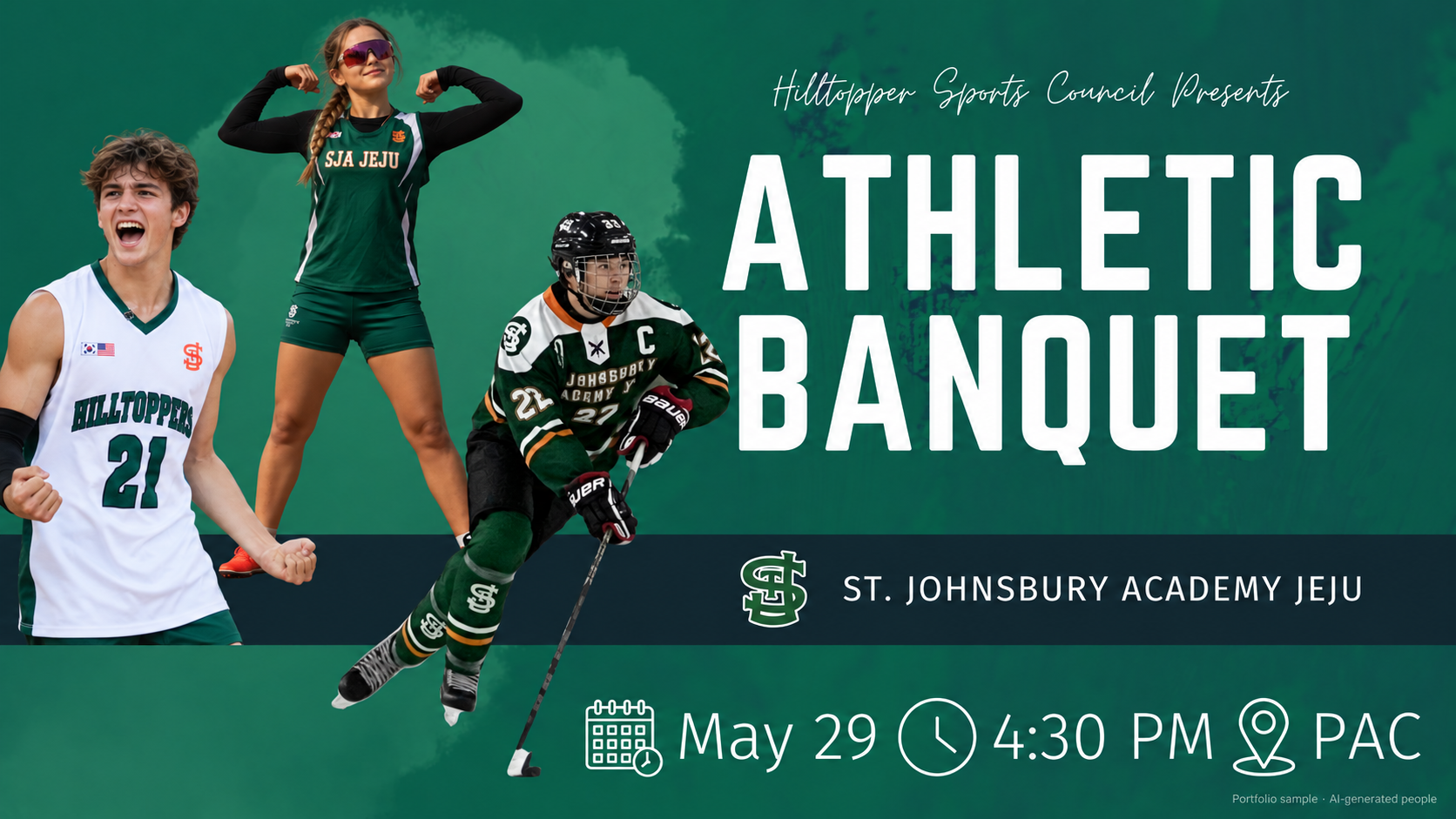
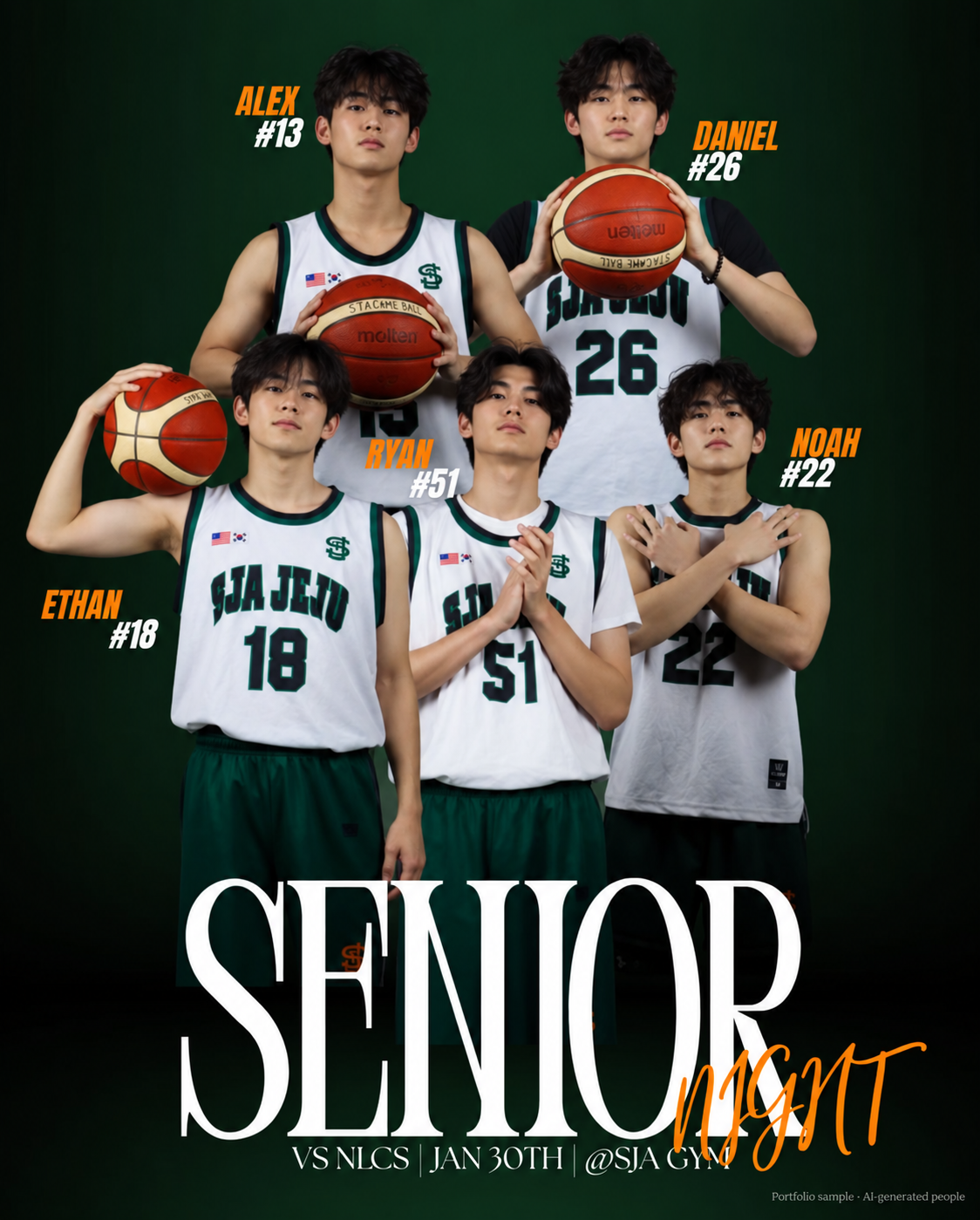
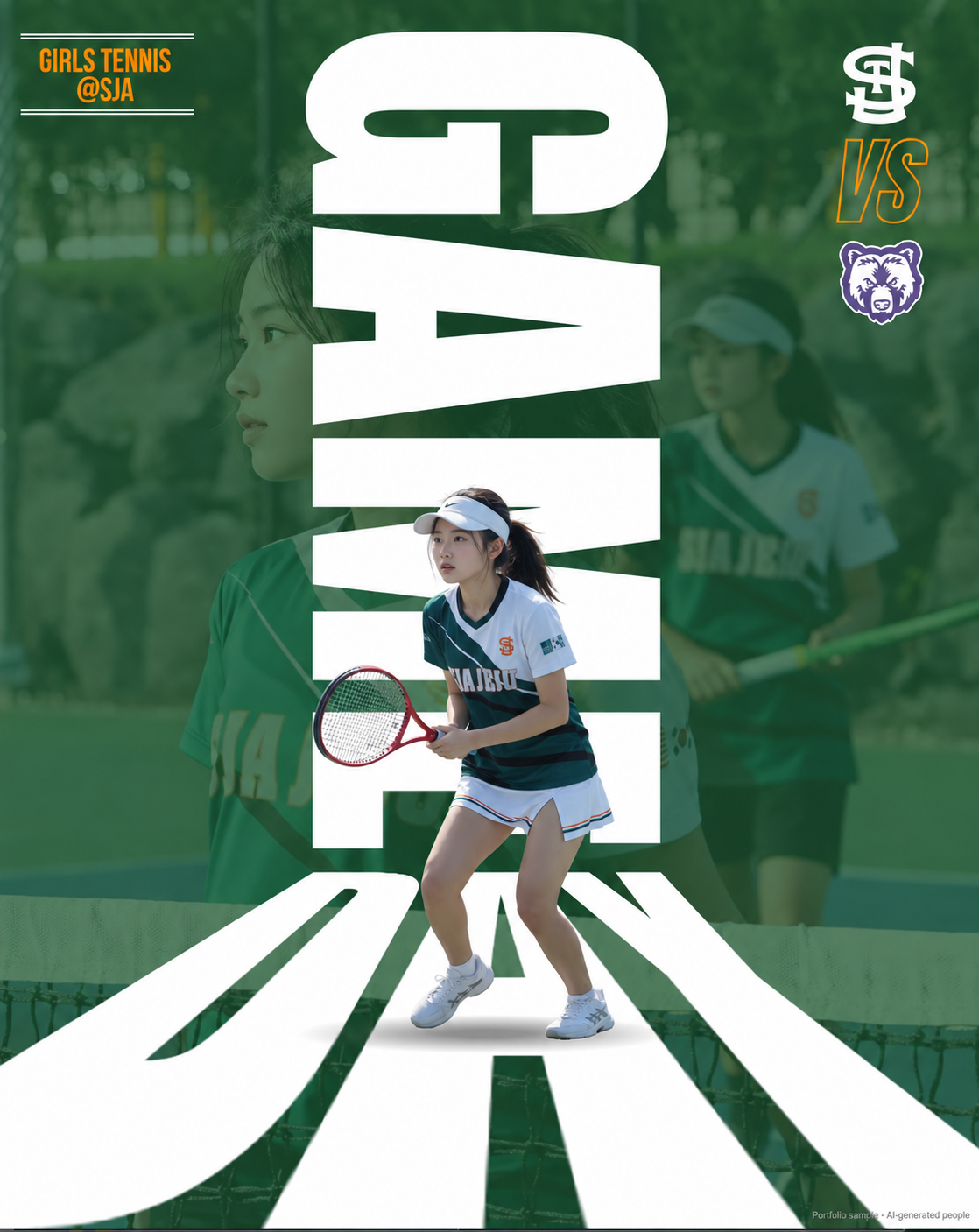
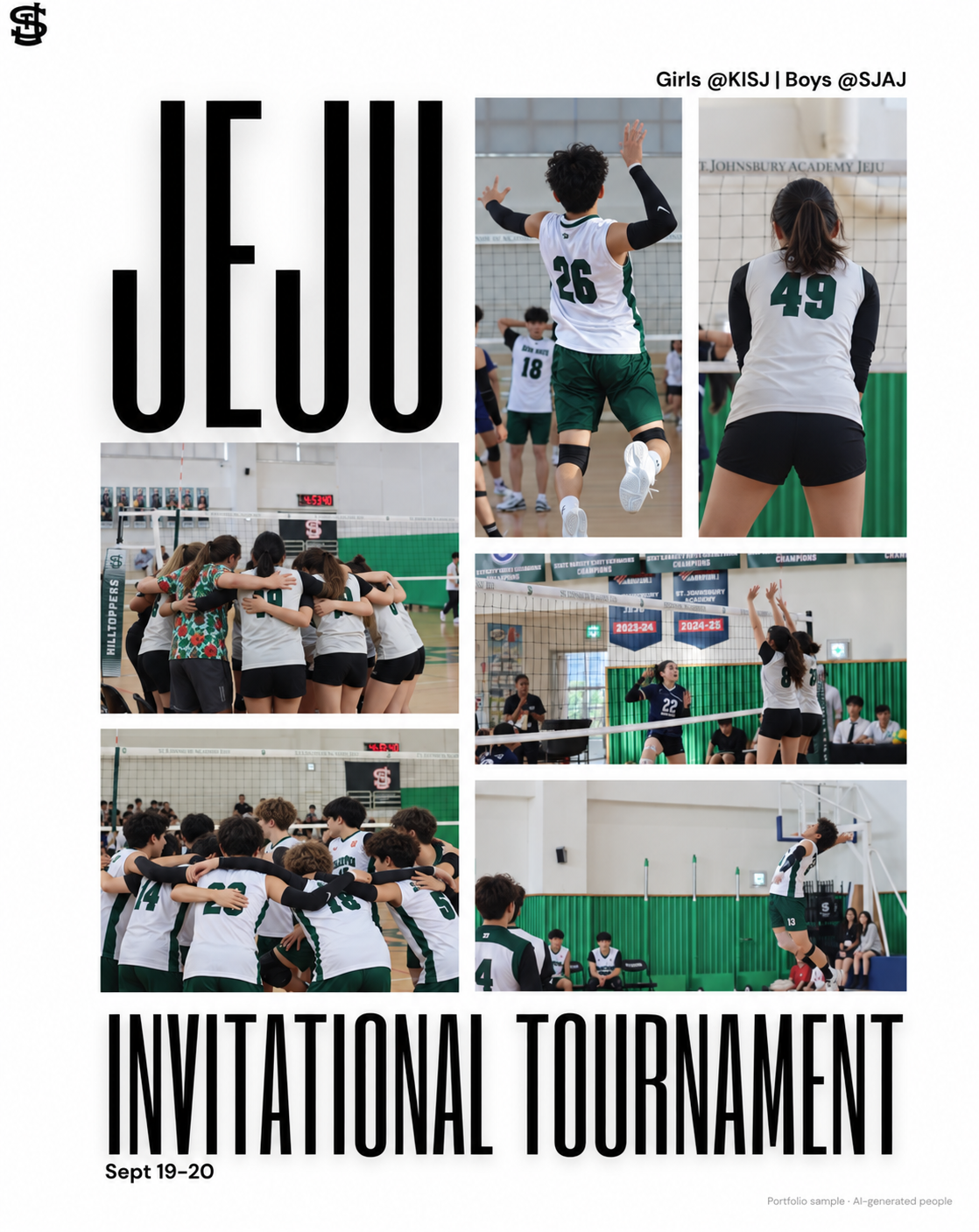
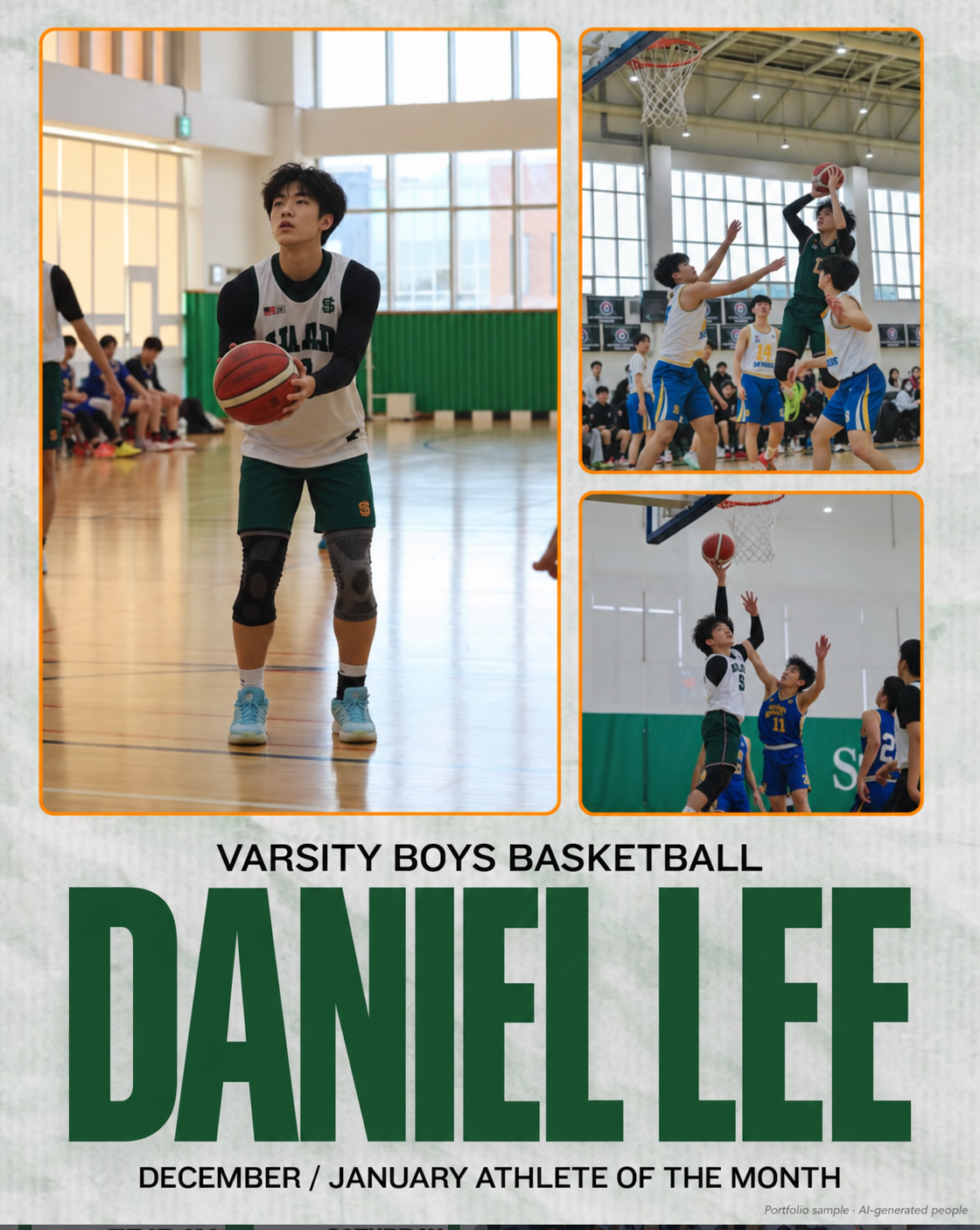
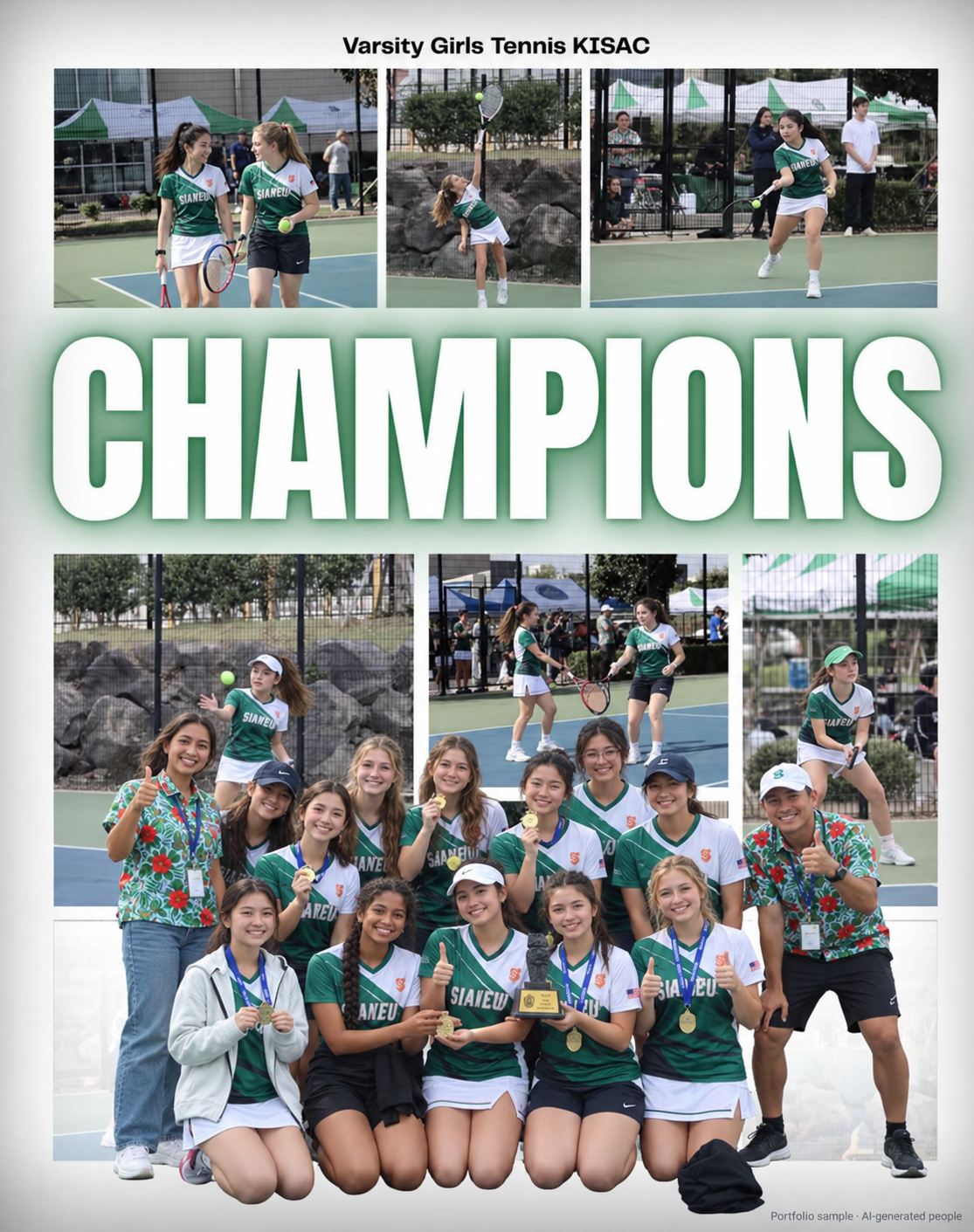
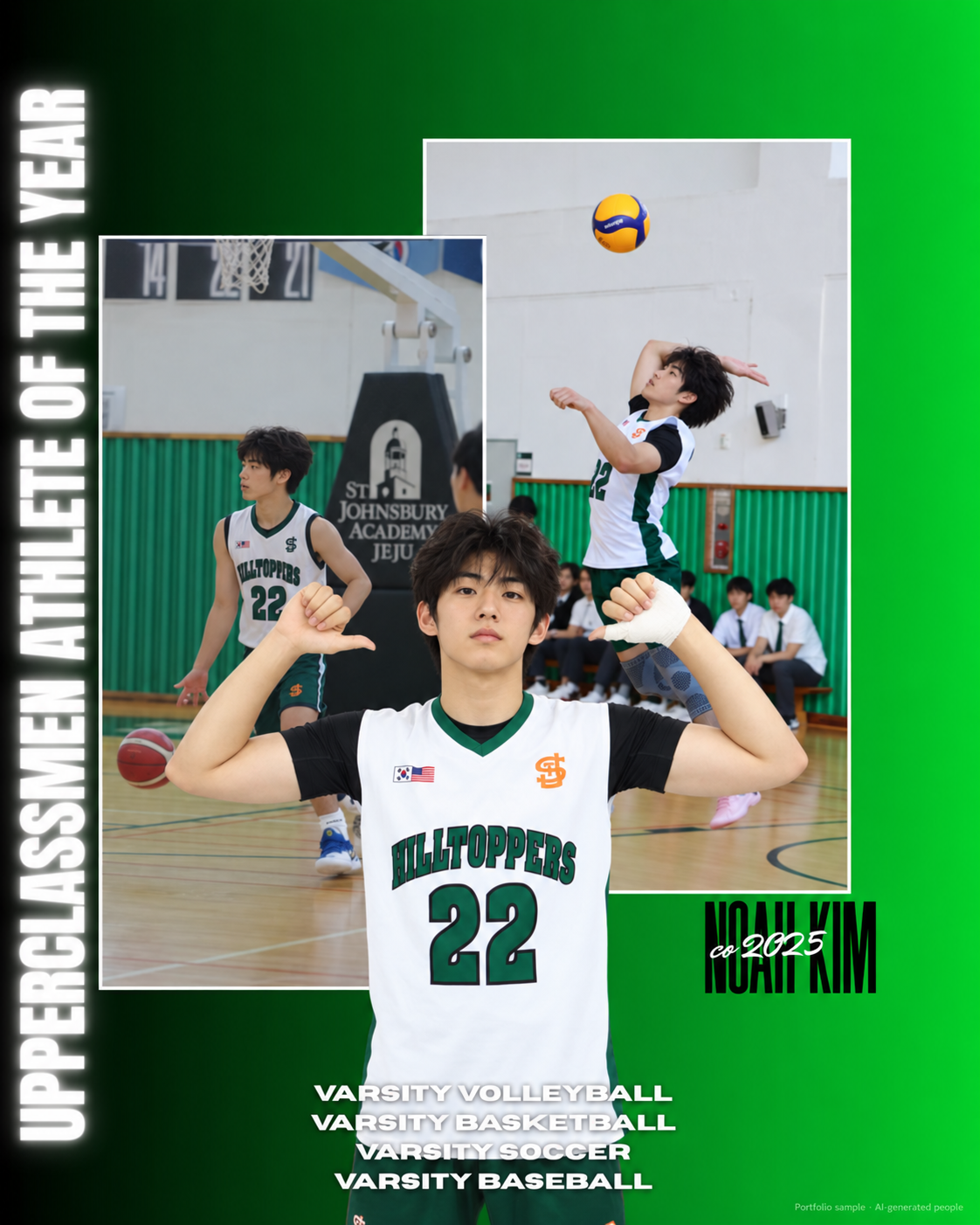
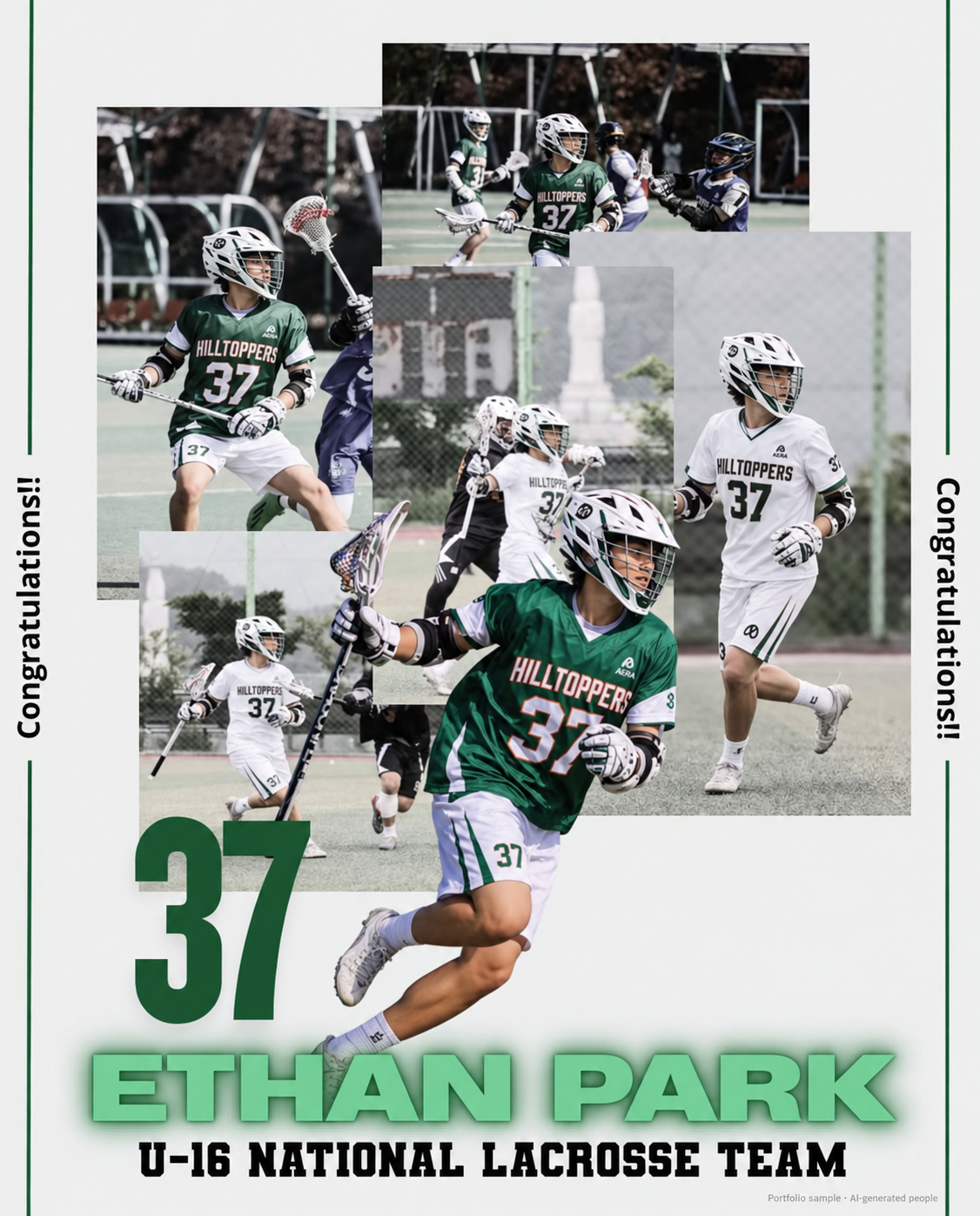
The council took on scoring, scoreboards, line judging, livestream production, commentary, photography, and game-day communications. Student leaders coordinated tournament operations, while the annual athletic banquet became a student-led celebration, with students serving as emcees and managing technology and media.
Broadcasting developed from phones and iPads into a more capable production system, including robotic cameras and Spiideo installations. Pep rallies and athletic banquets, introduced in May 2023, helped establish new traditions within the school community.
Documented outcomes
Council membership grew from 60 students in 2022–2023 to 80 in 2023–2024, 85 in 2024–2025, and 90 in 2025–2026. The athletics Instagram account reached more than 1,400 followers and produced nearly 1,000 posts. Friday night athletic events regularly drew more than 200 spectators, according to the project report.
These figures describe the period documented in the May 22, 2026 project, rather than live counts. The project connects this growth with stronger student ownership, more consistent event operations, and a shared athletic identity.
Reflection and the next step
The biggest implementation challenges were student accountability, technical training, and establishing buy-in. Clear expectations, mentorship, and giving students genuine decision-making responsibility were central to the council’s development.
Future priorities identified in the project included stronger survey and attendance data, more middle school involvement, additional broadcasting and commentary training, and continued community partnerships. NIAAA Leadership Training Courses informed the council’s leadership structure, school culture, collaborative technology, event operations, and continuous improvement practices.